
Use case
Edit Salon and Barber Portfolio Photos with AI
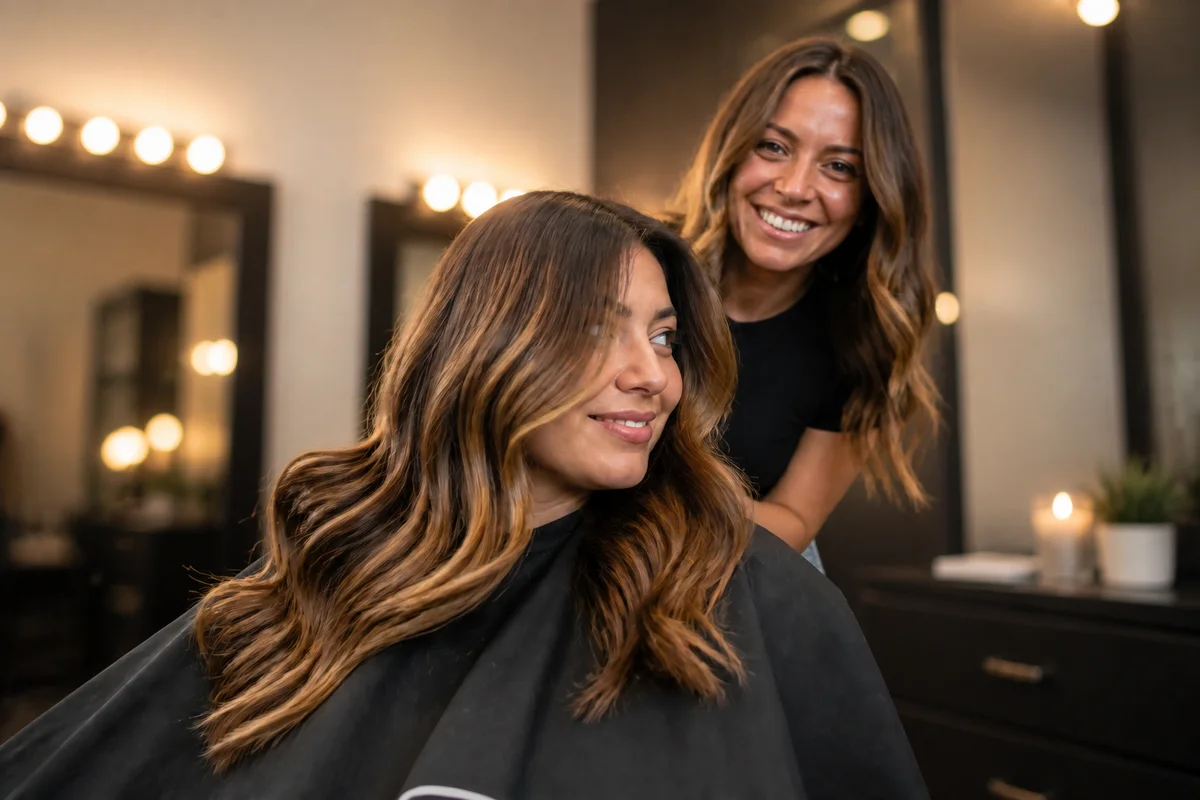
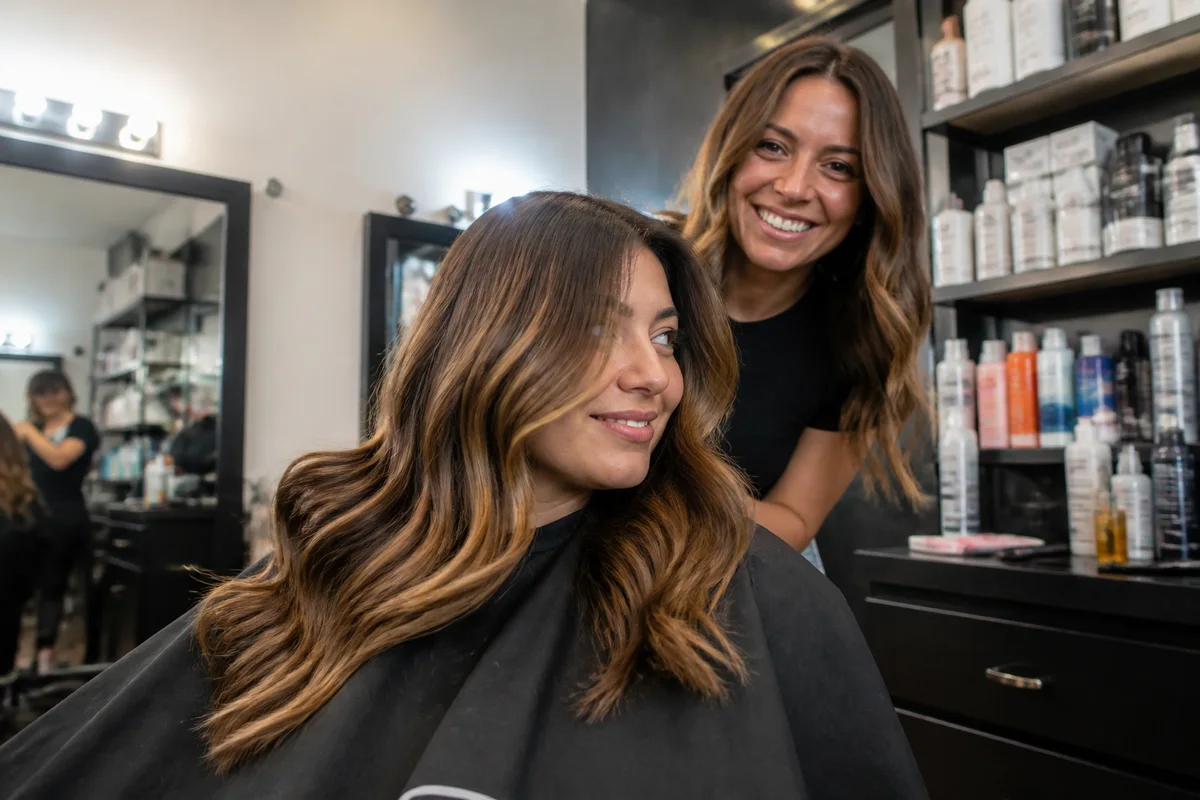
The workflow in action — drag to compare.
Clients book chairs from photos: they scroll a stylist's feed looking for their hair type, their goal color, the fade shape they want — and the photos decide whether your work reads as their future hair. Salon photography fights the room itself: mirrors and product shelves clutter every background, overhead salon lighting shifts the exact tones a colorist spent three hours building, and the quick post-cut phone shot rarely does the work justice.
AI editing turns chair-side snapshots into a portfolio. Correct color so the balayage photographs as the dimension it has in person, blur or replace the busy salon background, brighten the shot so the cut's shape and shine read clearly, and keep the whole feed consistent so your grid looks like a body of work rather than a camera roll.
For color work especially, accuracy is the ethic: the photo is a promise about what's possible, and the portfolio only books well when the chair delivers what the grid shows.
The problems this solves
- Salon lighting shifts the hair color the client actually paid for.
- Mirrors, stations, and product shelves clutter every background.
- Quick post-service phone shots flatten dimension and shine.
- An inconsistent grid undersells consistent work.
A workflow that works
Get the color true
Color clients book from photos of color — correction ensures the money-piece blonde on the feed is the one you can mix.
AI Color CorrectionSoften the salon background
A gentle blur melts the stations and shelves away while keeping the authentic in-salon context.
AI Background BlurLight the hair properly
Shine and dimension are the product; relighting shows the gloss the overheads flattened.
AI Lighting ChangerCrop consistently for the grid
Same framing on every result shot makes the feed read as a professional portfolio.
AI Photo ReframeFrequently asked questions
How do I shoot hair so editing has the most to work with?
Face the client toward the window or the most even light in the salon, shoot at chest height, and take frames from back, side, and three-quarter angles. Editing fixes color and background; only capture can get the angles.
Is it okay to enhance hair color in portfolio photos?
Correct it to match reality — don't push it past what you mixed. Clients bring your photos back as the reference; a feed that over-promises books appointments that end in disappointment and redos.
Do I need client permission to post their hair?
Yes, ask — most clients are glad to be featured, and many salons make it part of the service conversation. For clients who prefer anonymity, back-of-head shots showcase the work without the face.
Should before-and-after photos be edited the same way?
Edit both identically — same brightness, same correction. The transformation should come from the work, not from editing the after more flatteringly than the before.
Related use cases