
Use case
Edit Model Portfolio Photos with AI
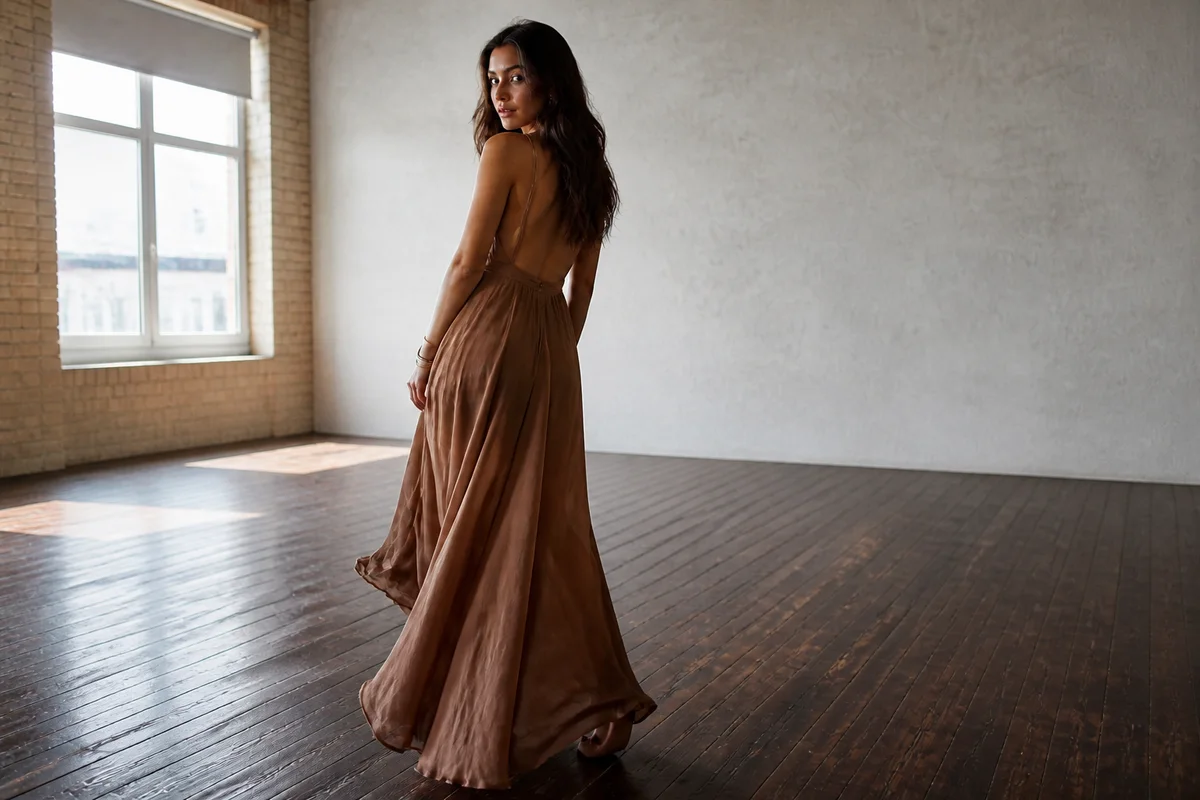
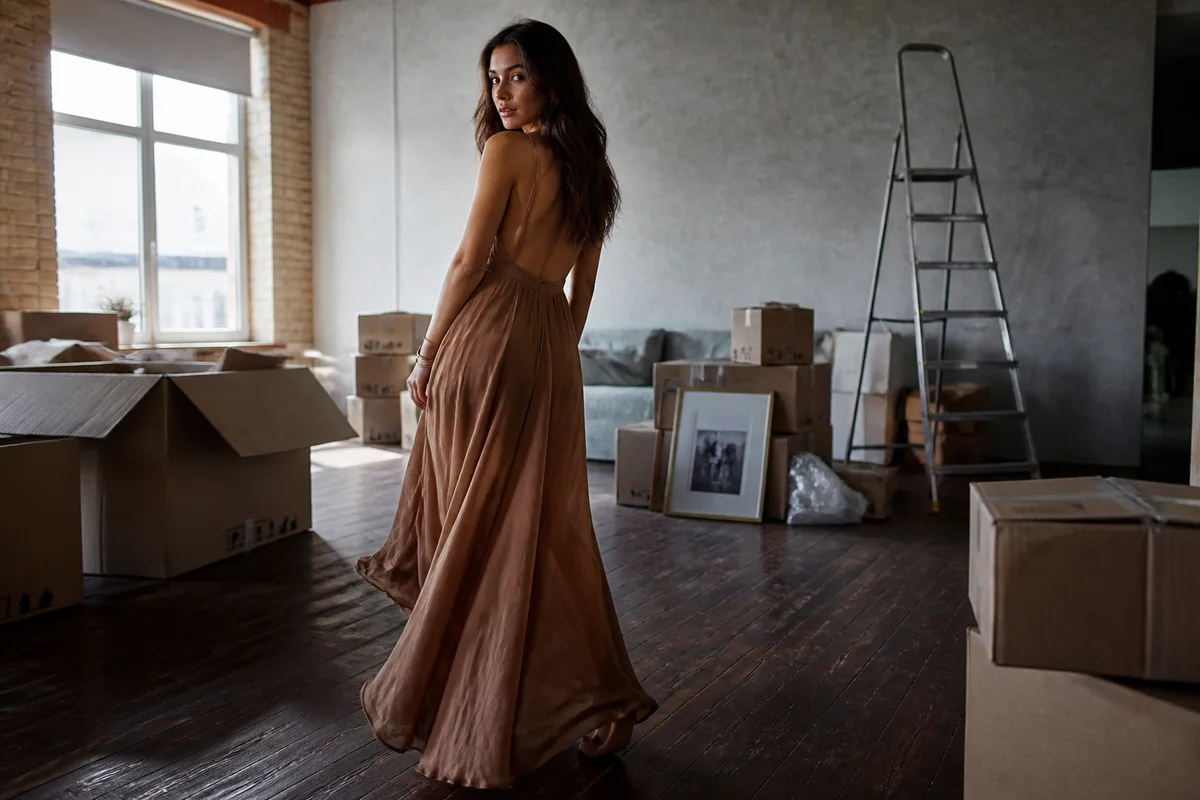
The workflow in action — drag to compare.
A modeling portfolio is a collection of photos from different shoots, photographers, and years — which is exactly why most books look scattered. Agencies flip through in seconds, and inconsistent color, cluttered test-shoot backgrounds, and one soft image among sharp ones all register as amateur before anyone evaluates the model.
AI editing pulls a book together. Correct color so images from different shoots sit comfortably side by side, clean up the backgrounds from test shoots in borrowed locations, apply the light, natural skin retouching agencies expect (they need to see real skin texture), and export the hi-res files that comp cards and agency submissions require.
As with acting, accuracy is the constraint: agencies measure and meet you in person. Digitals/polaroids stay unretouched by convention — editing effort belongs on the book's produced shots.
The problems this solves
- Photos from different photographers and years look inconsistent as a set.
- Test shoots happen in borrowed locations with clutter and mixed light.
- Over-retouched photos get flagged by agencies who need to see real skin and proportions.
- Comp cards and submissions need specific hi-res formats most delivered files miss.
A workflow that works
Unify color across the book
Consistent, accurate color is what makes photos from five different shoots read as one professional portfolio.
AI Color CorrectionClean test-shoot backgrounds
Removing radiators, outlets, and street clutter keeps attention on pose and expression — what the book is selling.
AI Object RemoverRetouch skin naturally
Light cleanup that preserves texture matches agency expectations; plastic skin gets books set aside.
AI Face RetouchFix lighting on the almost-great frames
Test shoots produce great poses in mediocre light; relighting rescues frames that would otherwise be cut.
AI Lighting ChangerExport comp card and submission formats
Comp cards, agency portals, and printed books each want specific crops and resolutions from the same masters.
AI Photo ReframeFrequently asked questions
How retouched should portfolio photos be?
Produced editorial shots carry normal fashion retouching — but skin texture must survive, and body proportions must stay real. Agencies and clients measure and meet models in person; discrepancies are discovered immediately and cost credibility.
Should digitals (polaroids) be edited?
No — by industry convention, digitals are meant to show exactly how you look today with minimal makeup and no retouching. Fix technical problems only (exposure, color cast from bad bulbs) and leave everything else alone.
What goes on a comp card?
Typically a strong headshot on the front and three to five varied shots on the back — beauty, full length, editorial — with stats. Standard size is 5.5x8.5 inches; export at 300 DPI, so roughly 1650x2550 pixels per full-bleed image.
Can editing rescue photos from an unpaid test shoot?
Often, yes — test shoots trade cost for control, and light, color, and background are the usual casualties. Confirm the photographer's usage terms allow editing, then fix the technical issues and keep the best frames in your book.
Related use cases