
Use case
Edit Actor Headshots with AI
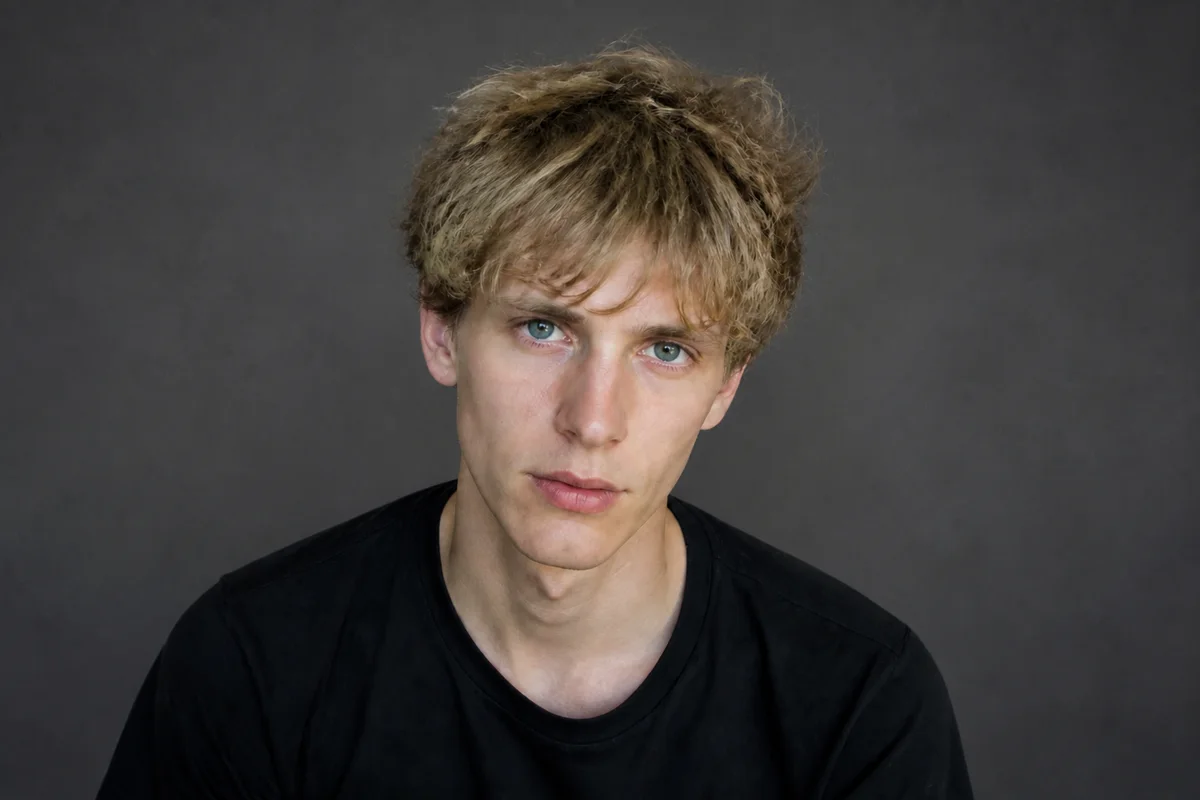
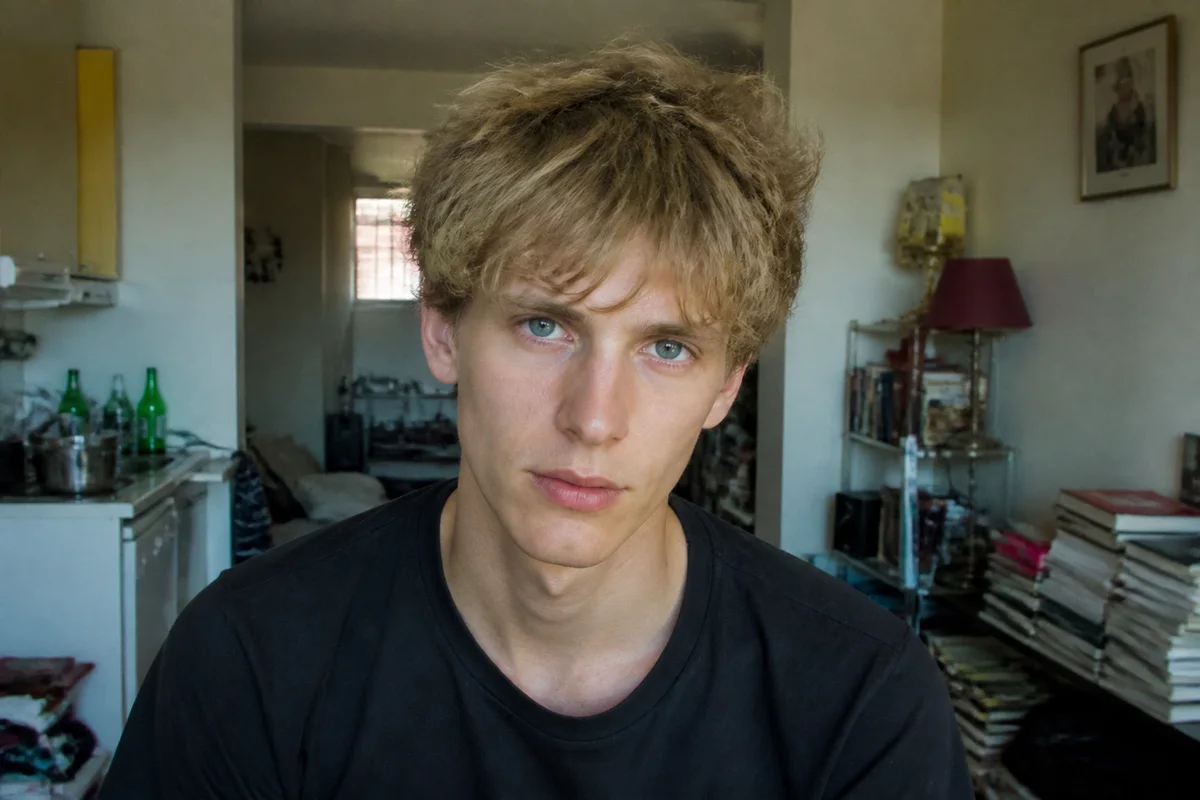
The workflow in action — drag to compare.
Actor headshots operate under a rule no other portrait does: you must look exactly like the photo when you walk into the room. Casting directors book the person in the picture, and the fastest way to burn an audition is showing up visibly different from your headshot. That makes editing a precision task — polish the photo, never the face.
Within that constraint there's plenty to fix. Clean up the background so nothing competes with your eyes, correct the color so your skin tone and hair color are accurate (both are casting search criteria), sharpen for the small thumbnails casting platforms display, and crop to the 8x10 and platform-specific formats the industry uses.
For working actors maintaining multiple looks — commercial warm, theatrical neutral — the same source session can be edited into distinct, consistent sets without paying for separate shoots.
The problems this solves
- Headshots must match your real appearance exactly — over-retouched photos cost auditions.
- Casting platforms display tiny thumbnails where soft photos disappear.
- Skin tone and hair color must be accurate because casting filters search on them.
- Commercial and theatrical submissions want different looks from the same actor.
A workflow that works
Correct color for accuracy
Casting needs your true skin tone and hair color — accurate color is a professional requirement, not an aesthetic choice.
AI Color CorrectionRetouch only what's temporary
Remove the blemish that showed up on shoot day; keep every permanent feature, because you'll be standing next to this photo in the room.
AI Face RetouchSimplify the background
A clean, softly toned backdrop keeps all attention on your eyes — the part of a headshot casting actually reads.
AI Background ChangerSharpen for platform thumbnails
Casting directors scroll grids of tiny thumbnails; crisp eyes are what make them stop.
AI Image SharpenerCrop to industry formats
8x10 for print traditions, plus each casting platform's preferred ratio — from one master edit.
AI Photo ReframeFrequently asked questions
How much retouching is acceptable on an actor headshot?
The industry standard is minimal: temporary blemishes, stray hairs, minor shine. Lines, freckles, scars, and your actual age stay — casting hired the face in the photo, and discrepancies waste everyone's time, starting with yours.
What crop and format do casting platforms want?
The traditional print format is 8x10 portrait. Online platforms vary but generally want high-resolution portrait-orientation images; check each service's spec. Keep your eyes in the upper third and crop mid-chest for a standard theatrical look.
Can I edit one session into commercial and theatrical versions?
Yes — commercial looks run brighter and warmer with more smile; theatrical runs more neutral and moodier. Lighting and color adjustments create both from one session, as long as wardrobe reads appropriately in each.
My headshots are two years old and my hair changed. Edit or reshoot?
Reshoot. Editing hair to match your current look means the photo no longer documents reality, which defeats a headshot's purpose. Editing is for polishing accurate photos, not updating inaccurate ones.
Related use cases