
Use case
Edit Vintage Clothing Photos with AI
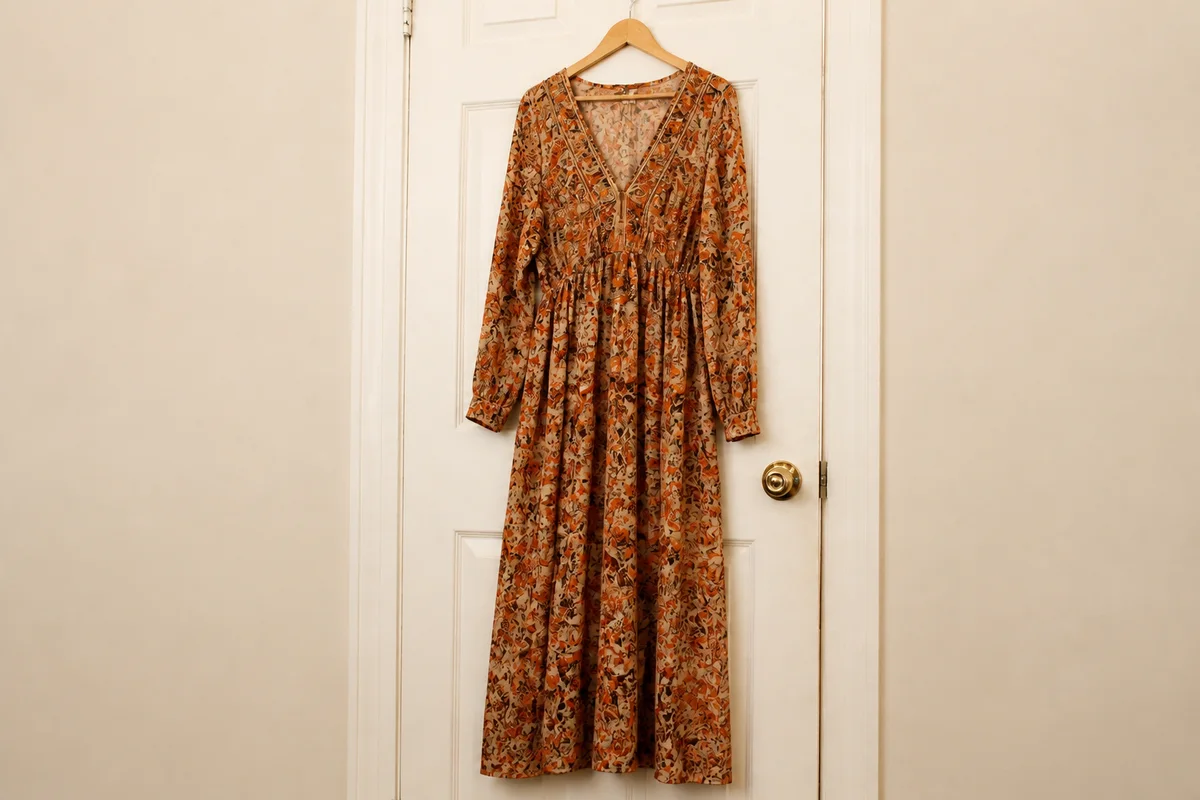
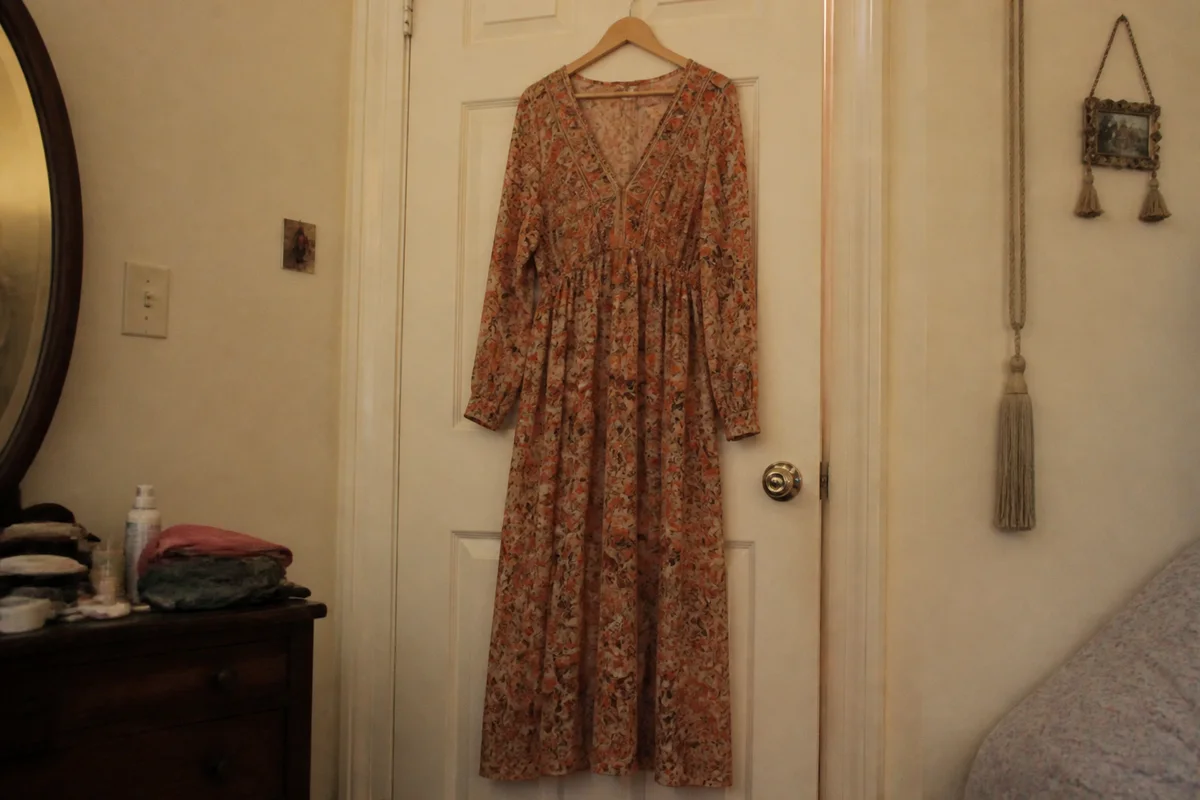
The workflow in action — drag to compare.
Vintage clothing buyers are the most detail-obsessed shoppers on any marketplace: they zoom into union labels, stitch construction, and fabric weave, and they know exactly what a 1970s ochre or a 1990s wash should look like. Photographing that accurately at home is hard — indoor light shifts the very colors that date a garment, and phone shots soften the label and texture detail that authenticates it.
AI editing serves both the beauty and the proof. Reduce the indoor cast on the era-defining shade — then compare the edit with the garment in person — sharpen the label and construction closeups that buyers study, clean up the backdrop so a hung or flat-laid piece looks curated rather than thrifted-this-morning, and brighten the shots so texture and drape are visible.
Condition documentation stays sacred: photograph flaws clearly, sharply, and separately, because in vintage, documented wear is provenance.
The problems this solves
- Era-defining colors shift under indoor light, and vintage buyers notice.
- Label, stitching, and fabric-weave closeups come out too soft to authenticate.
- Home backdrops make curated pieces look like thrift-store snapshots.
- Flaws need clear documentation without dominating the listing.
A workflow that works
Get the era's color right
The exact shade is part of what buyers are purchasing; correction reduces your lighting's cast — compare the edited shade with the garment before listing.
AI Color CorrectionSharpen labels and construction detail
Union labels, selvedge, and stitch detail are how buyers verify era — those closeups must be legible.
AI Image SharpenerPut pieces on a clean backdrop
A neutral wall or textured studio backdrop presents the piece as curated inventory, which supports vintage pricing.
AI Background ChangerBrighten for texture and drape
Fabric texture and drape sell vintage; soft, bright light makes corduroy wale and denim fade legible on screen.
AI Lighting ChangerFrequently asked questions
How do I photograph colors accurately for picky vintage buyers?
Shoot in indirect natural light, include the garment filling most of the frame, and color-correct against your lighting's cast — then compare the edit with the garment itself. If a shade is critical, mention the correction in the listing and offer additional photos.
What closeups do vintage listings need?
The brand and union or care labels, fabric weave, buttons and zippers, hems and seams, plus any flaws. Sharpen these shots — they're the authentication record buyers rely on.
Can I clean up stains or repairs in photos?
Never on the garment itself. Document flaws sharply and clearly; vintage buyers accept wear when it's disclosed and priced in, but hidden flaws destroy the seller ratings this niche runs on.
Flat-lay, hanger, or model for vintage?
Flat-lays suit knits and tees, hangers suit structured pieces, and a model or dress form sells drape on dresses and outerwear. Whichever you use, a clean edited backdrop and corrected color matter more than the display method.
Related use cases